Jun 23, 2026
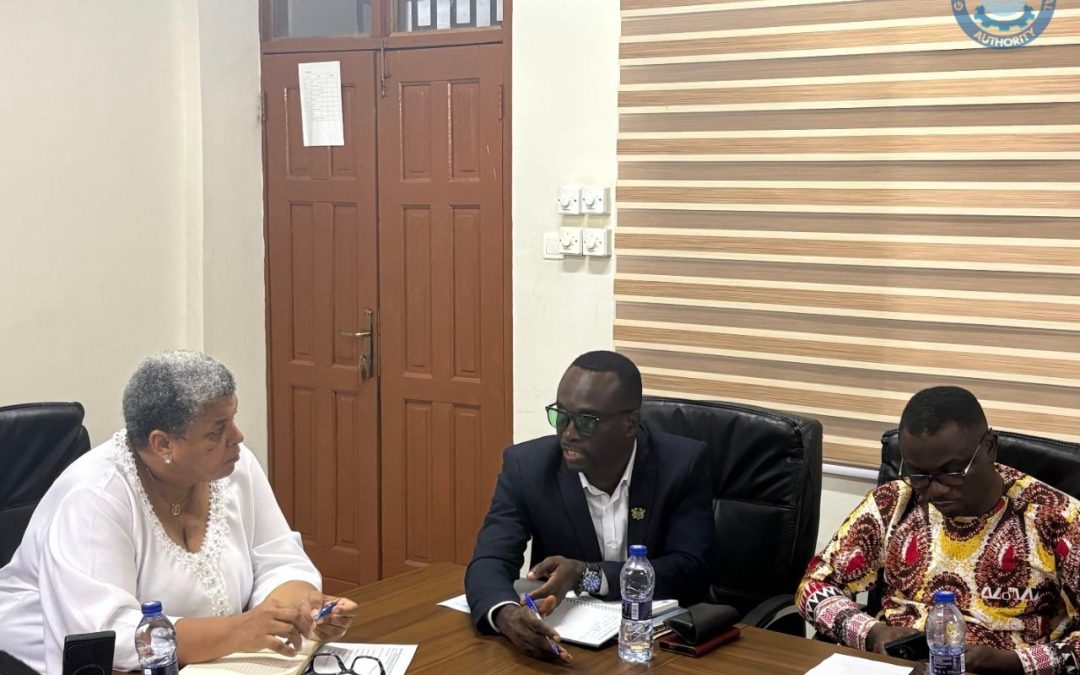
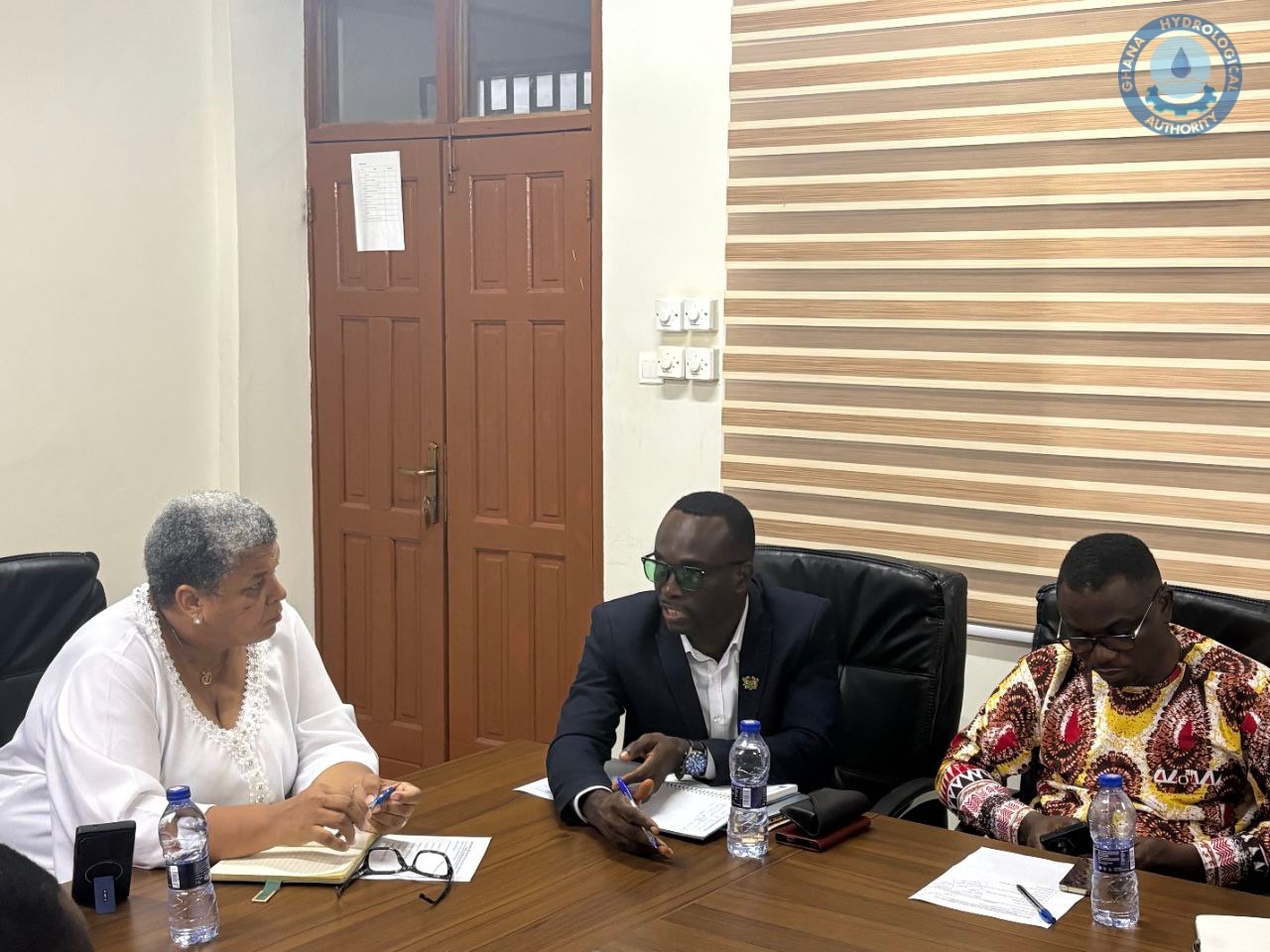
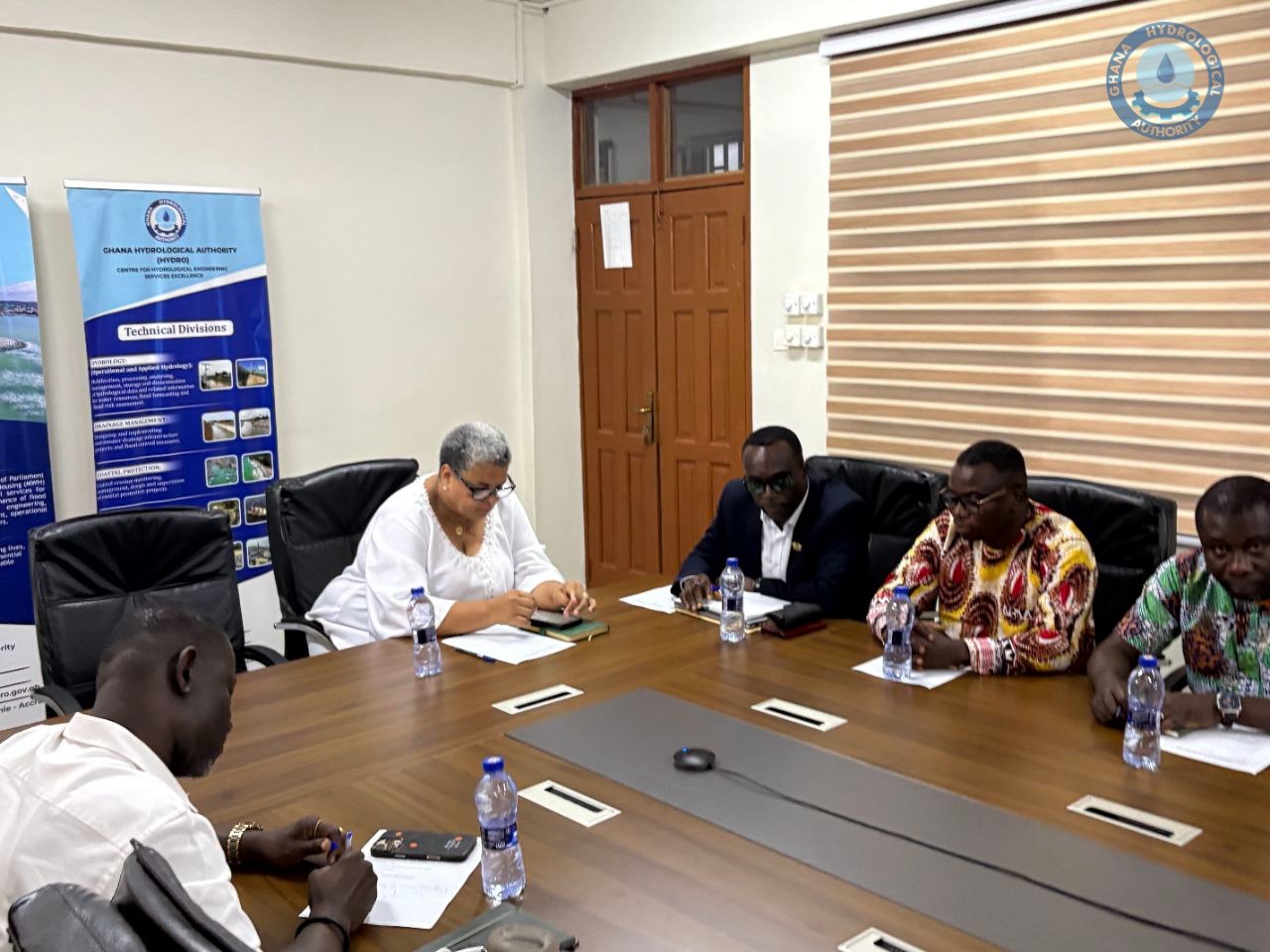
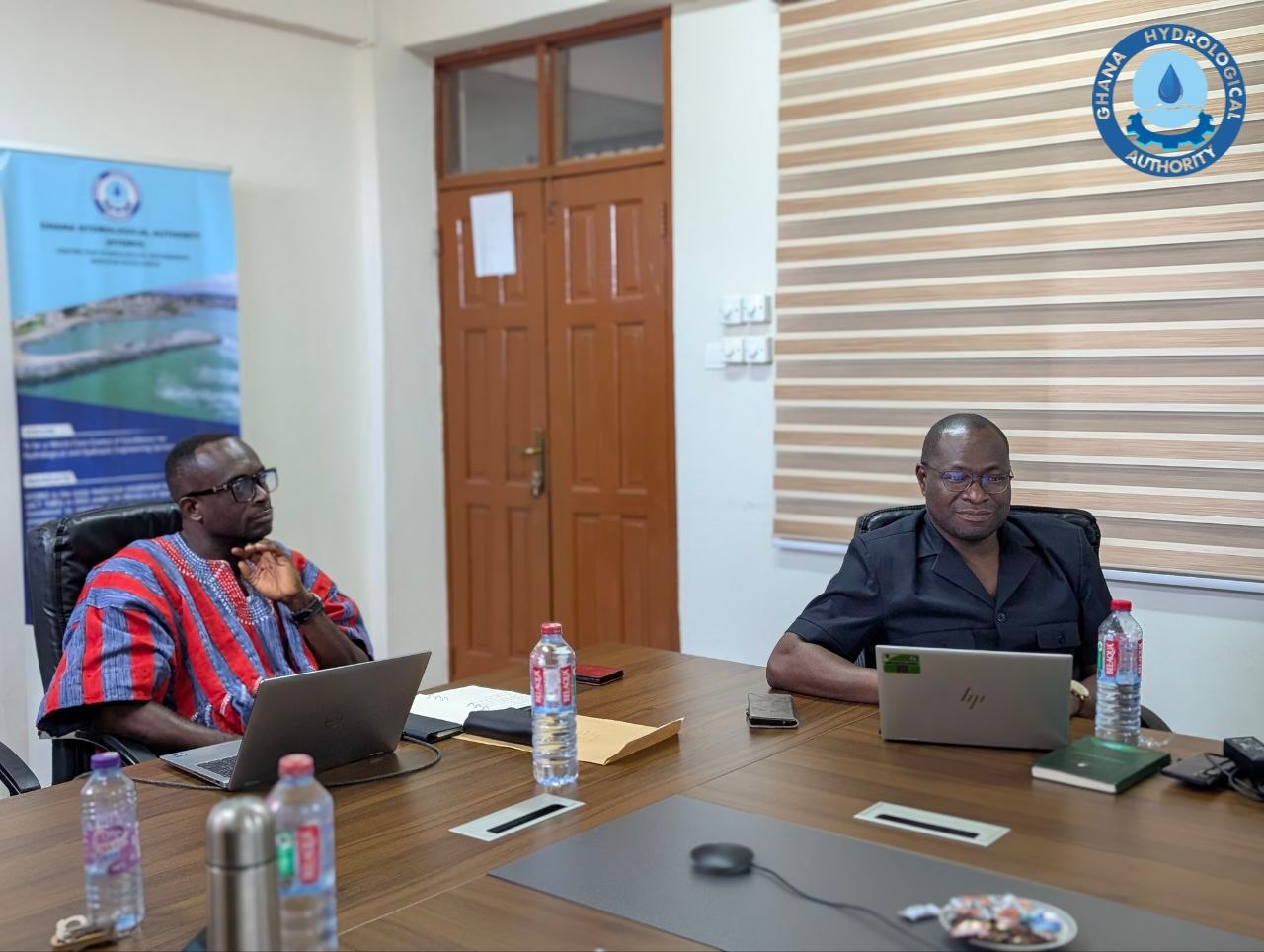
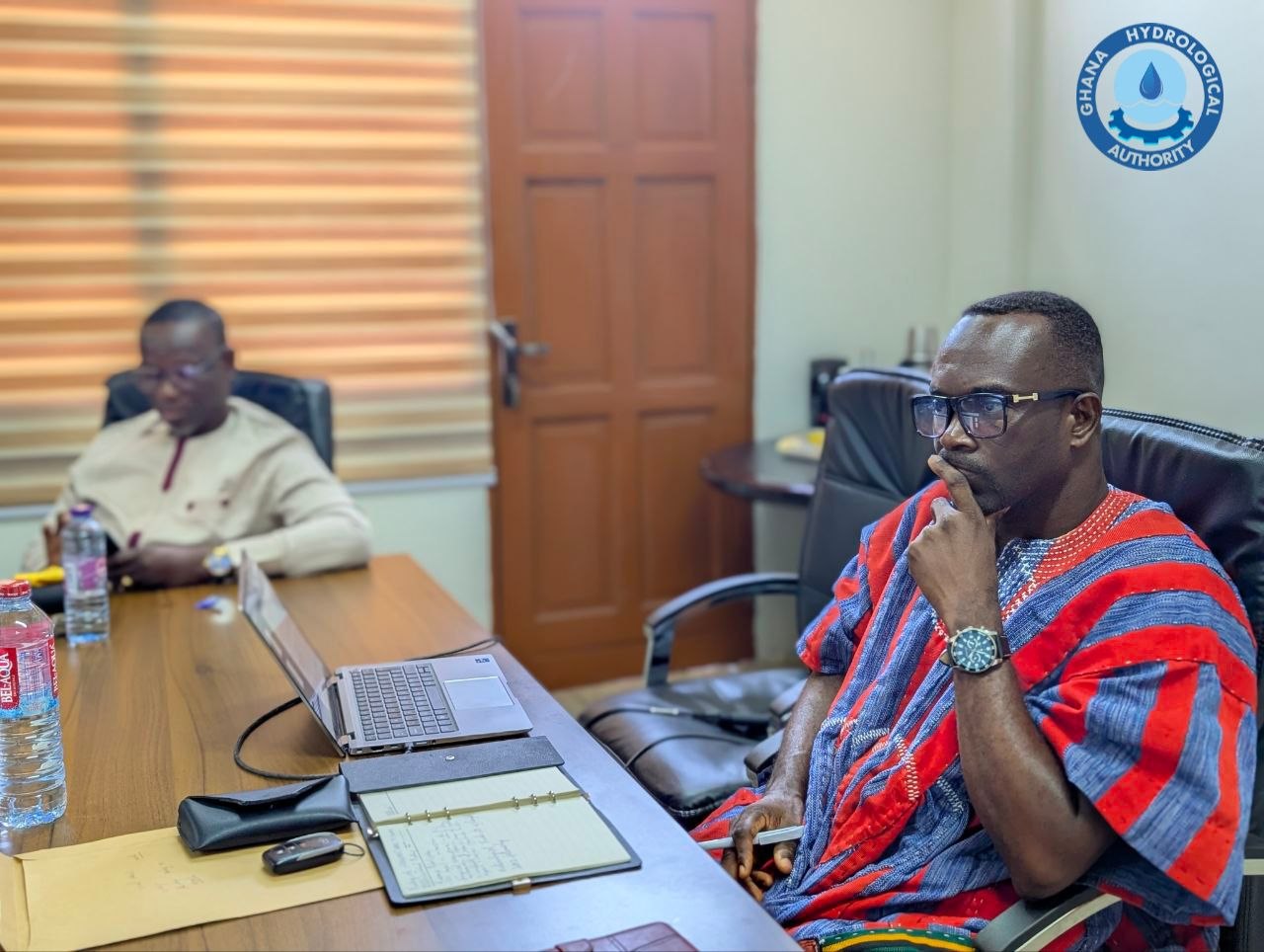
HYDRO’s Management has held a strategic meeting with the Deputy Minister for Works, Housing and Water Resources, Hon. (Mrs.) Gizella Tetteh-Agbotui, to discuss both immediate and long-term interventions aimed at reducing the impact of flooding across Ghana and strengthening national flood resilience.
The engagement formed part of ongoing efforts to enhance coordination among key stakeholders responsible for flood risk management, disaster preparedness, infrastructure planning and community protection.
Opening the meeting, the Chief Executive Officer of HYDRO, Dr. Sylvester Darko, outlined a number of measures the institution has undertaken in recent years to support flood mitigation efforts, particularly within the Greater Accra Region and other flood-prone areas.
Dr. Darko noted that changing rainfall patterns, rapid urbanization and increasing development pressures have contributed to flooding in locations that were not previously identified as flood-prone. He stressed the importance of strengthening technical assessments to better understand the engineering and hydrological factors contributing to these emerging challenges.
As part of HYDRO’s efforts to enhance situational awareness and technical response, the CEO highlighted the establishment of a specialized flood monitoring initiative comprising technical personnel and engineers tasked with conducting assessments of reported flood incidents and known flood hotspots. The objective is to support data-driven decision-making through the identification of underlying causes and the development of appropriate engineering recommendations.
The CEO further briefed the Deputy Minister on ongoing institutional efforts to strengthen information gathering and coordination mechanisms to support flood management decision-making. These efforts are intended to improve the collection of field information and facilitate timely technical assessments that can inform response planning and future interventions.
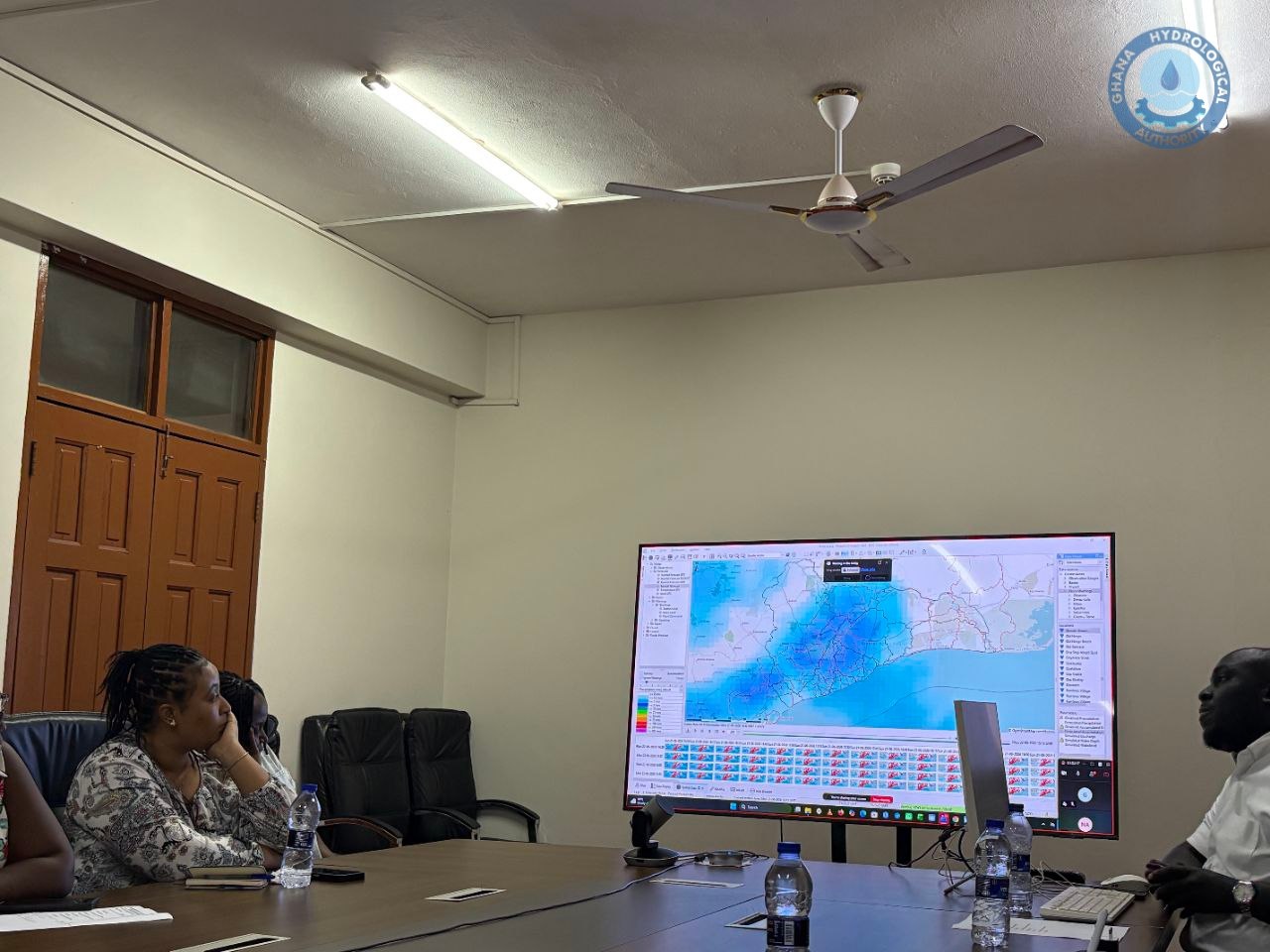
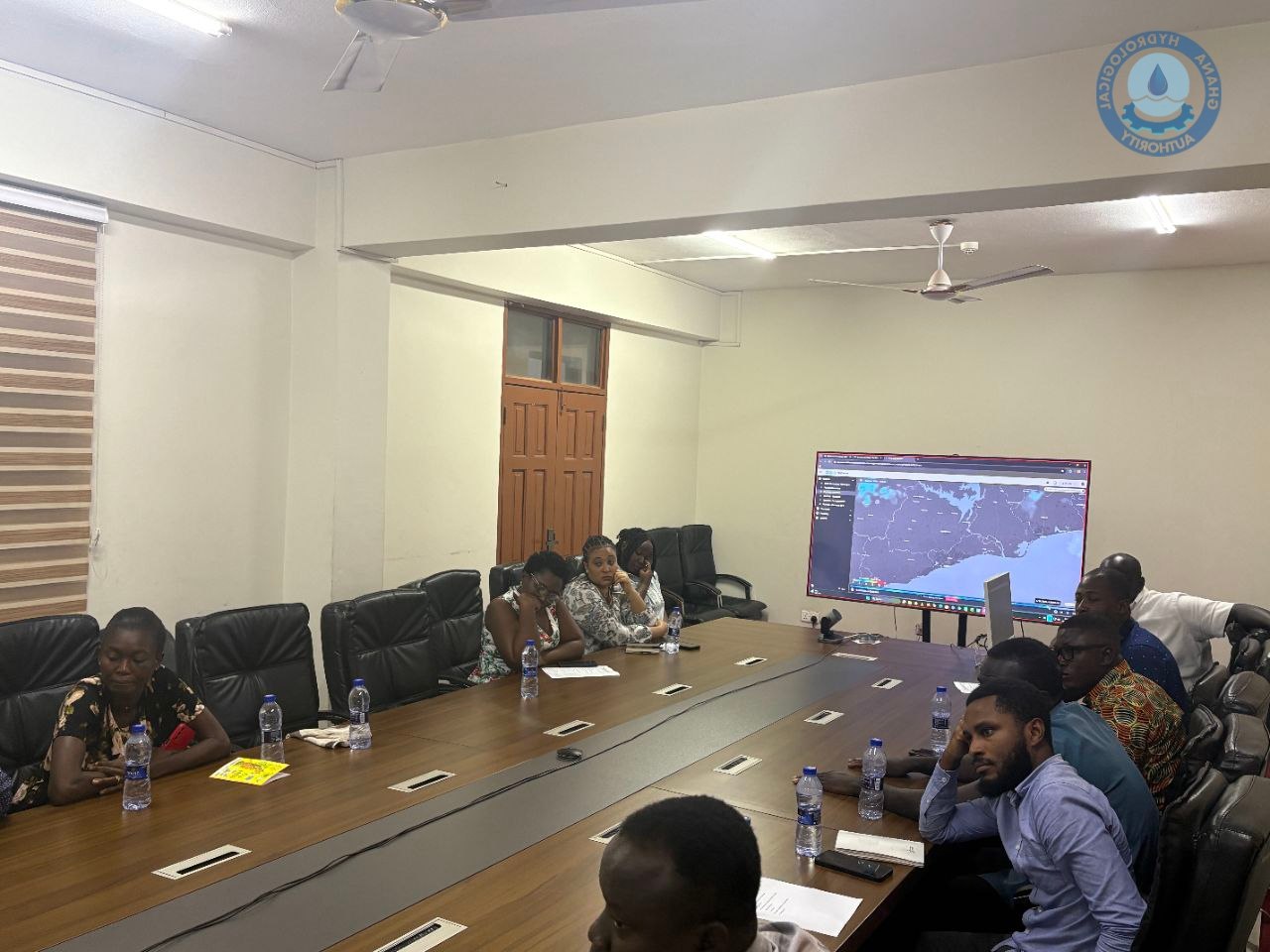
The meeting also provided an opportunity to showcase a newly developed Flood Early Warning System for the Greater Accra Region under the Greater Accra Resilient and Integrated Development (GARID) Project. The system is designed to support disaster preparedness by providing short-term flood forecasts with an anticipated lead time of approximately three hours.
When fully operational, the platform is expected to support emergency response agencies, local authorities and disaster management institutions by providing advanced notice of potential flood events, thereby enabling proactive measures to reduce risks to lives and property. The system represents an important step towards the integration of technology and scientific forecasting into Ghana’s flood risk management framework.
Dr. Darko also highlighted several interventions already being implemented by HYDRO, including technical assessments of flood-prone locations, stakeholder engagement activities, public education campaigns and the dissemination of flood safety information through the institution’s social media platforms. These awareness initiatives seek to educate citizens on personal safety measures during flood events, as well as practical actions communities can take to reduce local flooding risks.
The CEO further reiterated HYDRO’s commitment to supporting efforts aimed at preserving waterways, protecting river buffers and promoting responsible environmental practices that contribute to improved drainage and flood management outcomes.
In her remarks, Hon. (Mrs.) Gizella Tetteh-Agbotui underscored the importance of sustained public engagement and education as critical components of flood risk reduction. She emphasized the need to strengthen public understanding of flood alerts, preparedness measures and responsible environmental practices through strategic communication and continuous sensitization.
Featured images:
Apr 16, 2026
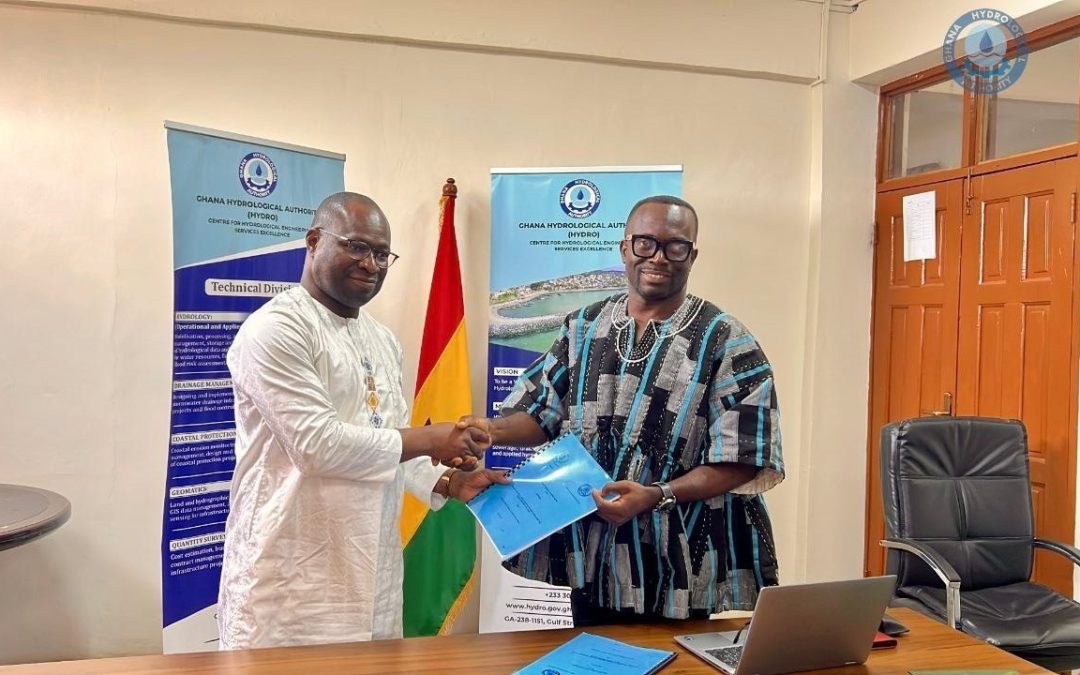
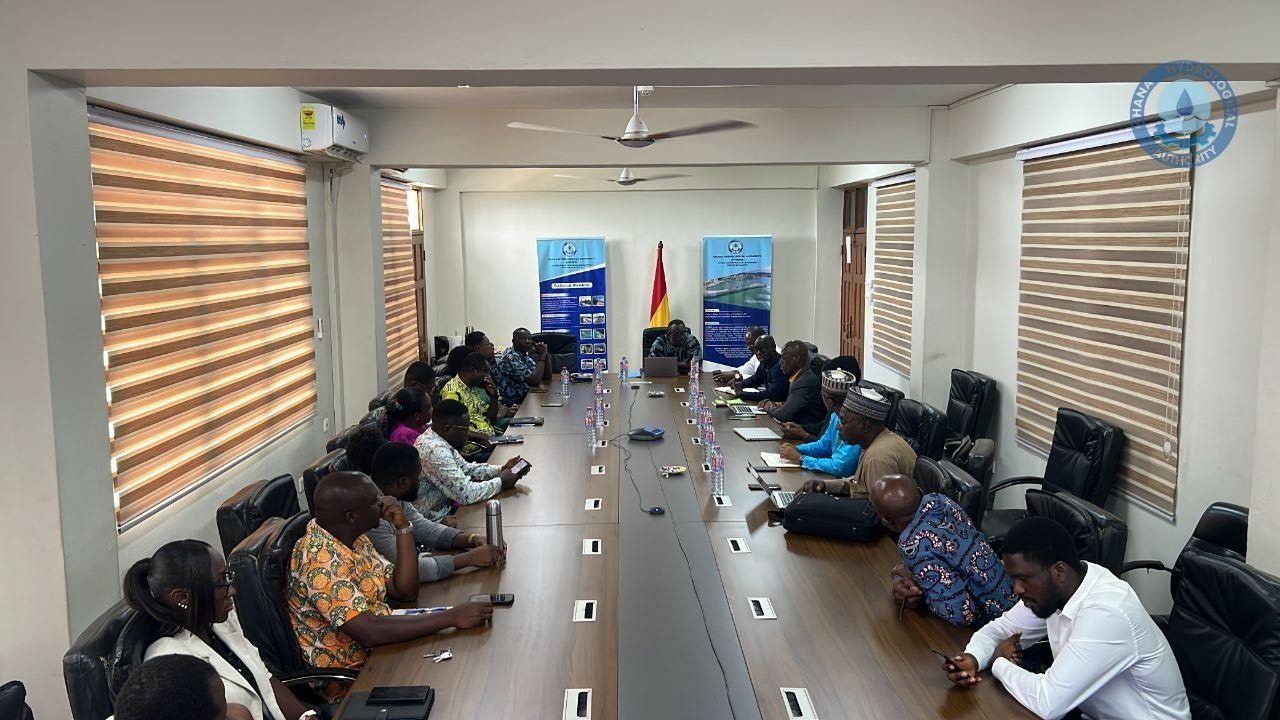
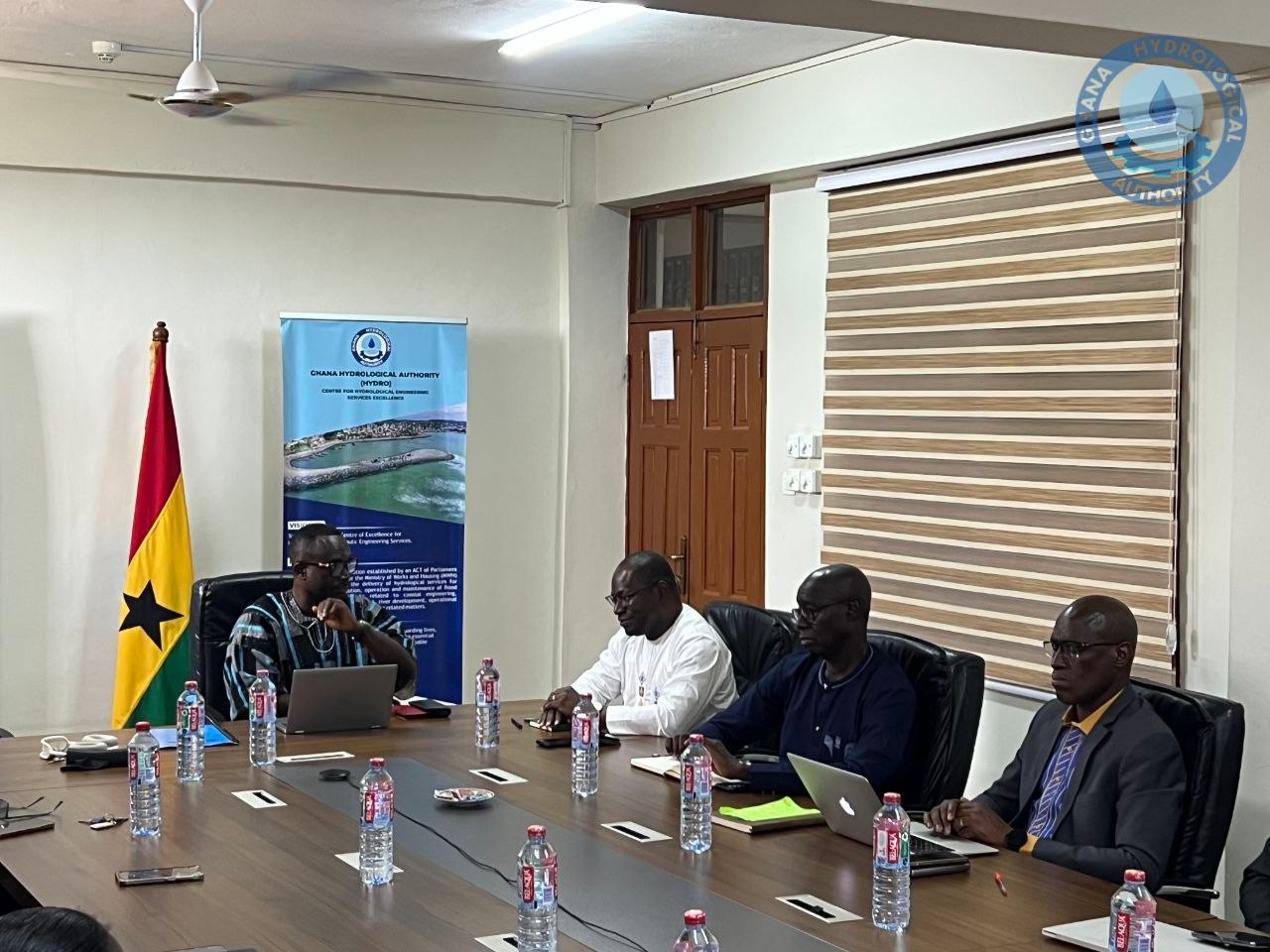
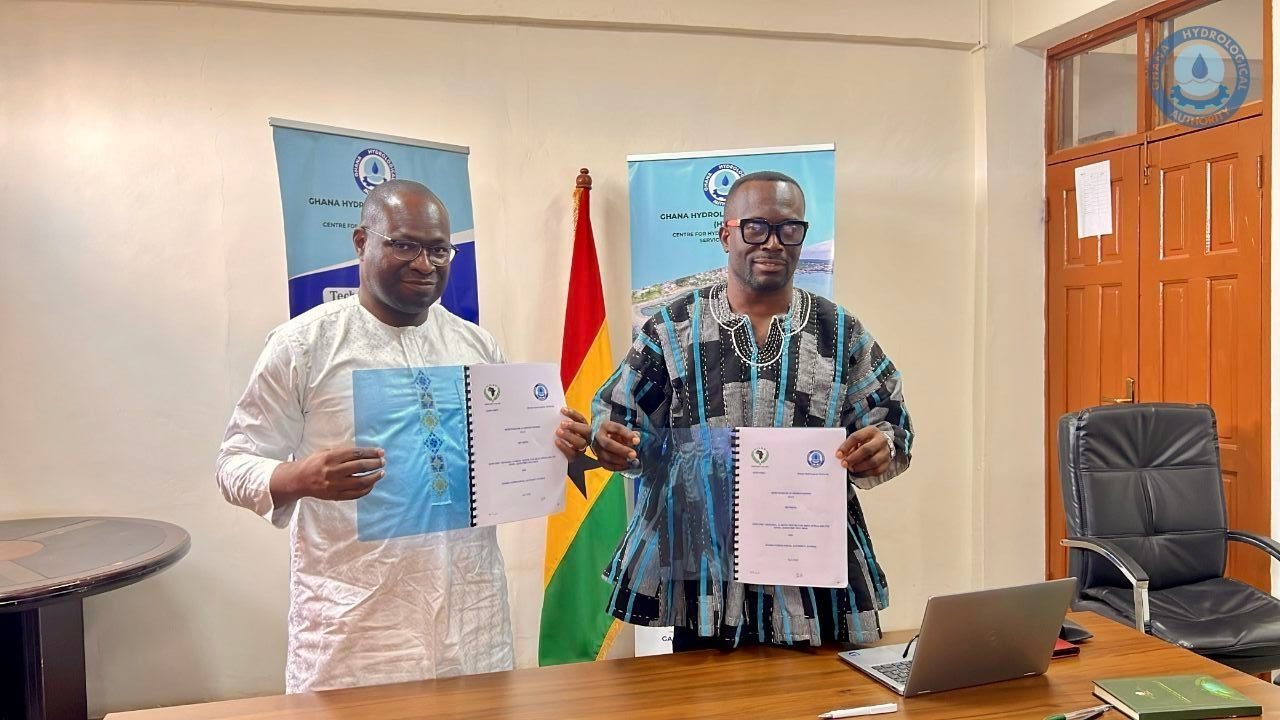
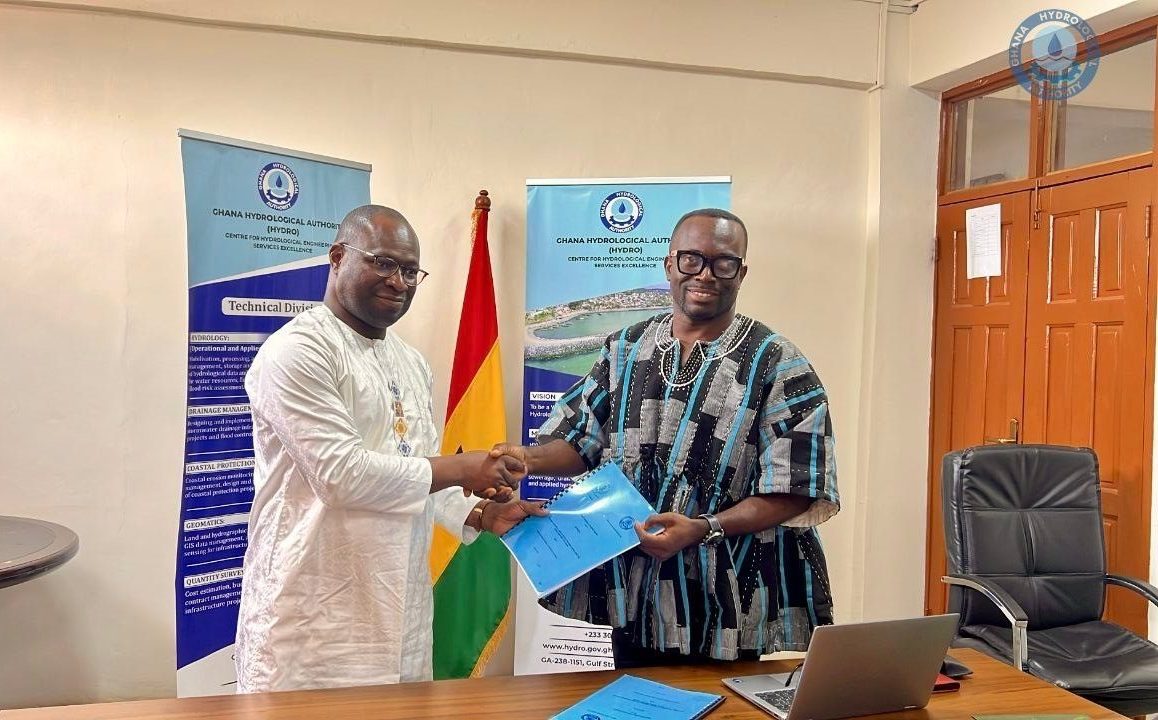
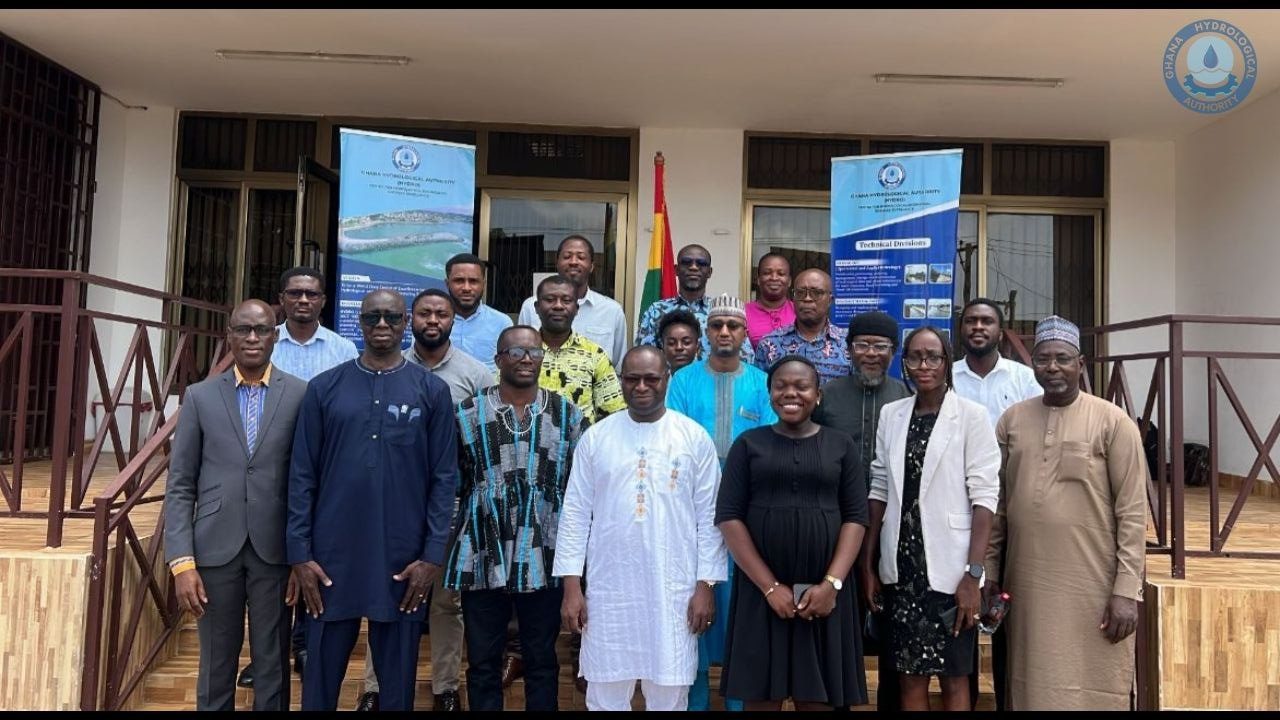
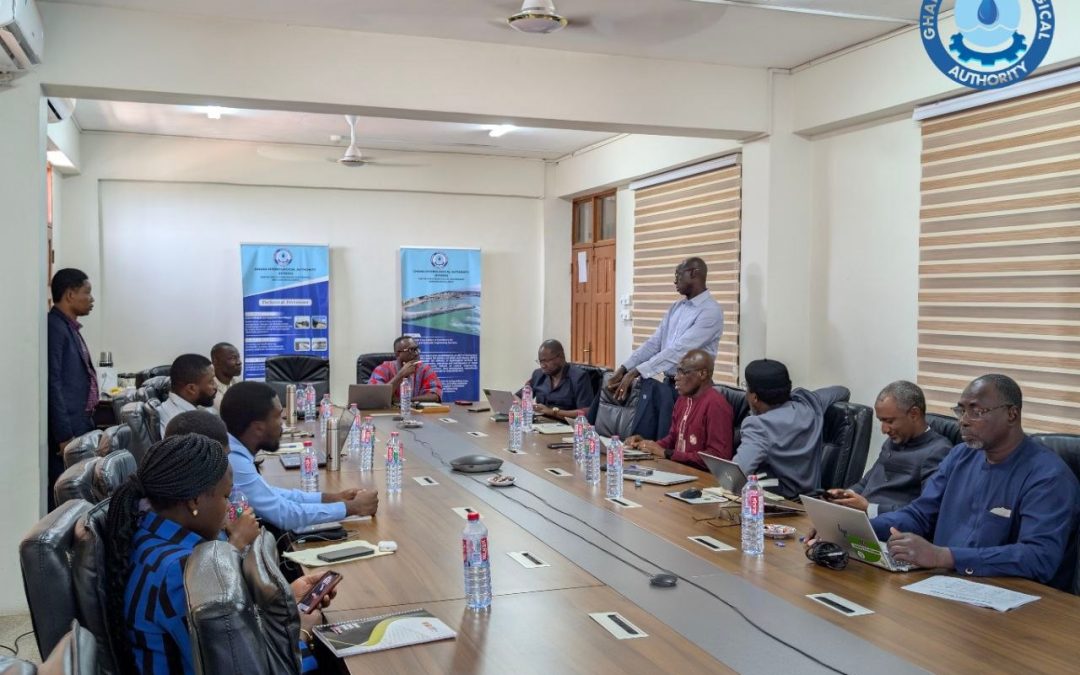
On April 16, 2026, the Ghana Hydrological Authority (HYDRO) officially signed a Memorandum of Understanding (MoU) with the AGRHYMET Regional Climate Centre for West Africa and the Sahel (RCC-WAS), marking the beginning of a strategic, long-term partnership to strengthen regional hydrological and climate services.
The agreement establishes a structured framework for collaboration in key areas including hydrological and climatic data exchange, capacity building, research, and the co-production of climate services to support informed decision-making and climate resilience across the region.
In his remarks, the Chief Executive Officer of HYDRO reaffirmed the Authority’s commitment to fully engage with AGRHYMET, emphasizing readiness to collaborate across all areas of the partnership, including knowledge sharing, technical cooperation, and training.
Mr. Bernard Edward Gomez, WMO Representative for North, Central, and West Africa, commended HYDRO for its progress and contributions to the sector, while encouraging the Authority to continue innovating and exploring sustainable approaches to resource mobilization.
The signing of this MoU represents a significant step toward enhanced regional cooperation, improved data interoperability, and the advancement of integrated climate services for West Africa and the Sahel.
Photo Highlights
Apr 15, 2026
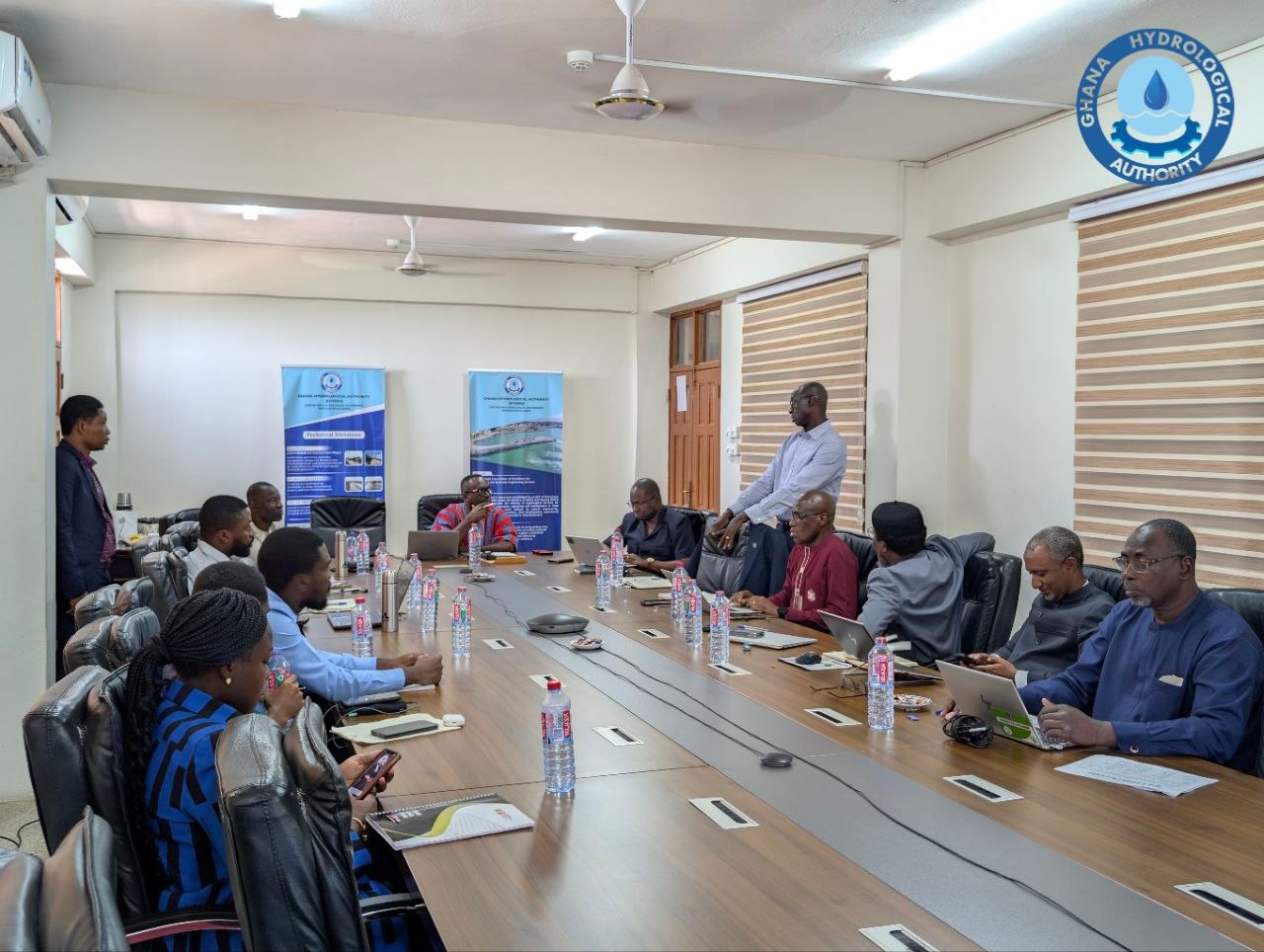
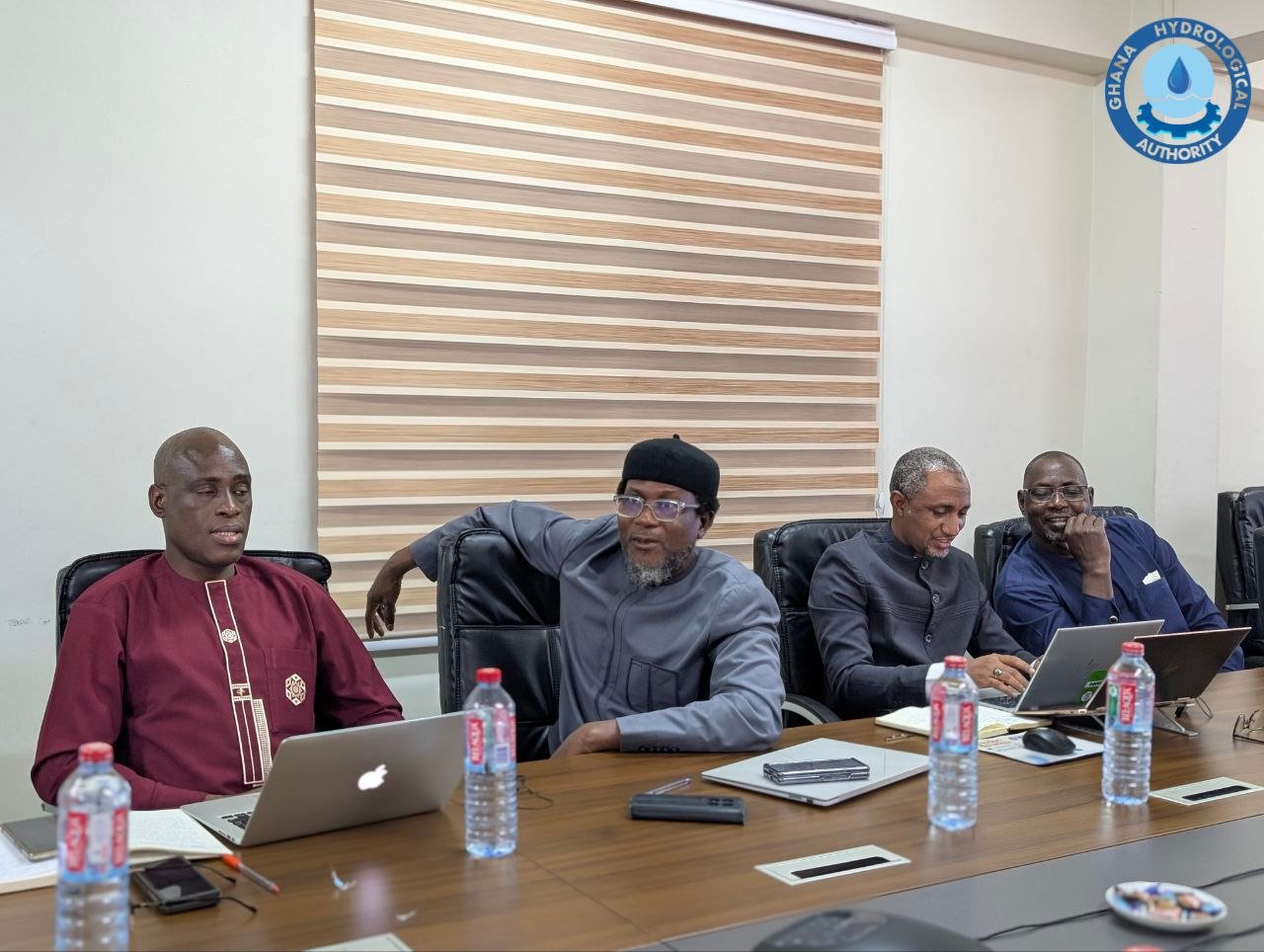
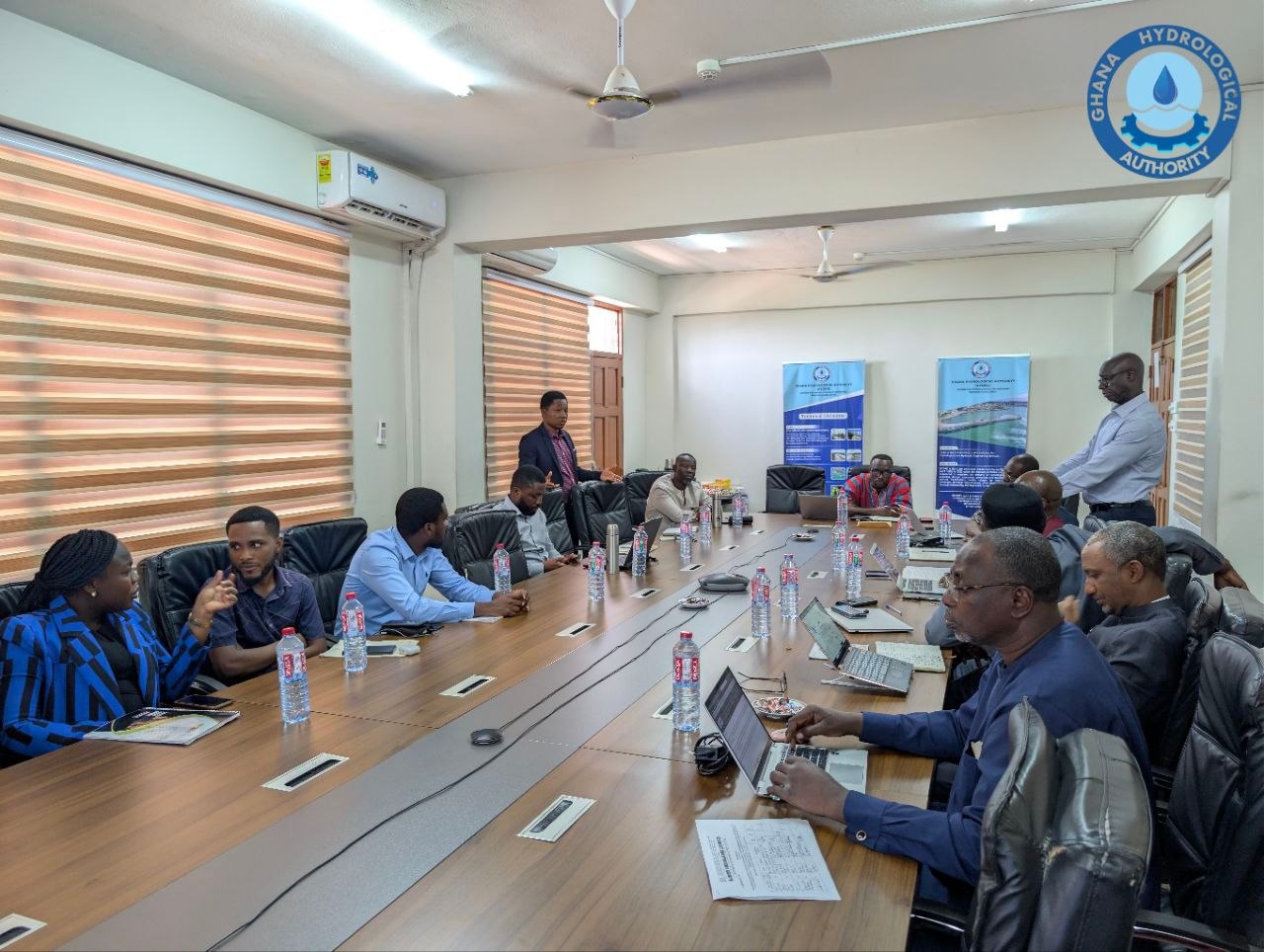
On Wednesday, April 15, 2026, the Ghana Hydrological Authority (HYDRO) welcomed a distinguished high-level delegation comprising representatives from the World Meteorological Organization (WMO), the ECOWAS Commission, and the AGRHYMET Regional Climate Centre (RCC-WAS) — as part of a Joint High-Level Mission to advance the operationalization of the Regional Climate Centre for West Africa and the Sahel.
The engagement brought together key regional stakeholders to deepen cooperation and align regional climate services with national priorities.
🔹 Discussions centered on:
✅ Assessment of hydrological data collection systems & capacity gaps
✅ AGRHYMET RCC’s mandate and hydrological data requirements
✅ Identification of areas for joint programmes and technical support
✅ Academic and capacity-building opportunities, including Master’s and 3-year programmes in Hydrology and Water Resources
A highlight of the session was a presentation by Dr. Abdou Ali, Head of the Climate, Water & Meteorology Department at AGRHYMET, who showcased the centre’s work in seasonal hydrological forecasting, climate monitoring, and the exciting use of AI for hydrological modelling and impact forecasting. HYDRO also presented its vision, data collection methods, and operational challenges — creating a rich platform for mutual understanding.
The delegation included:
Mr. Bernard Edward Gomez — WMO Representative for North, Central & West Africa
Dr. Raoul Kouame — ECOWAS Commission
Dr. Abdou Ali — AGRHYMET (Climate, Water & Meteorology)
Prof. Mansur Bako Matazu — Technical Assistant
Dr. Alhassane Agoli — AGRHYMET, Head of Scientific Evaluation Unit
This mission is part of a broader week of strategic engagements (April 13–17, 2026) aimed at formalizing partnerships through a Memorandum of Understanding between HYDRO and AGRHYMET — a landmark step toward integrated, data-driven water and climate services for the region.
Ghana HYDRO remains committed to regional collaboration in building a climate-resilient West Africa. 💧🌍
Photo Highlights

Feb 24, 2026
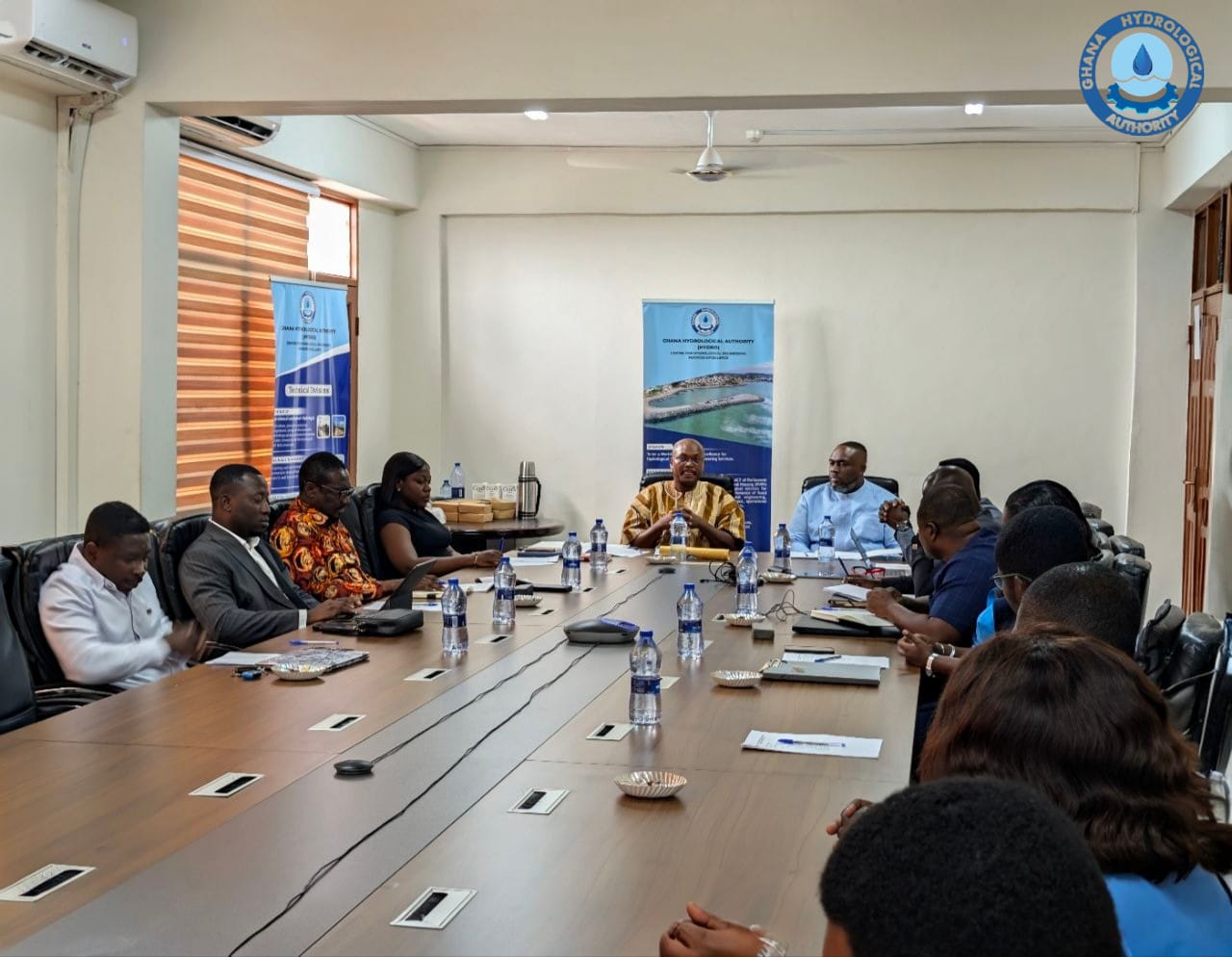
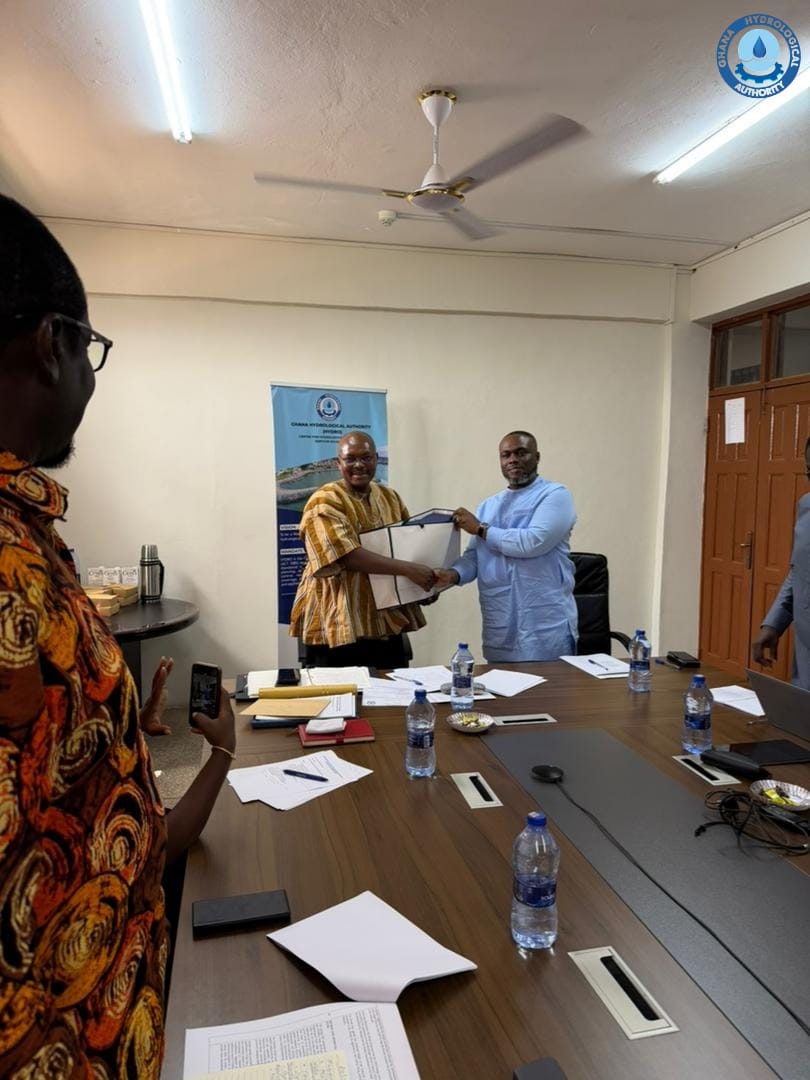
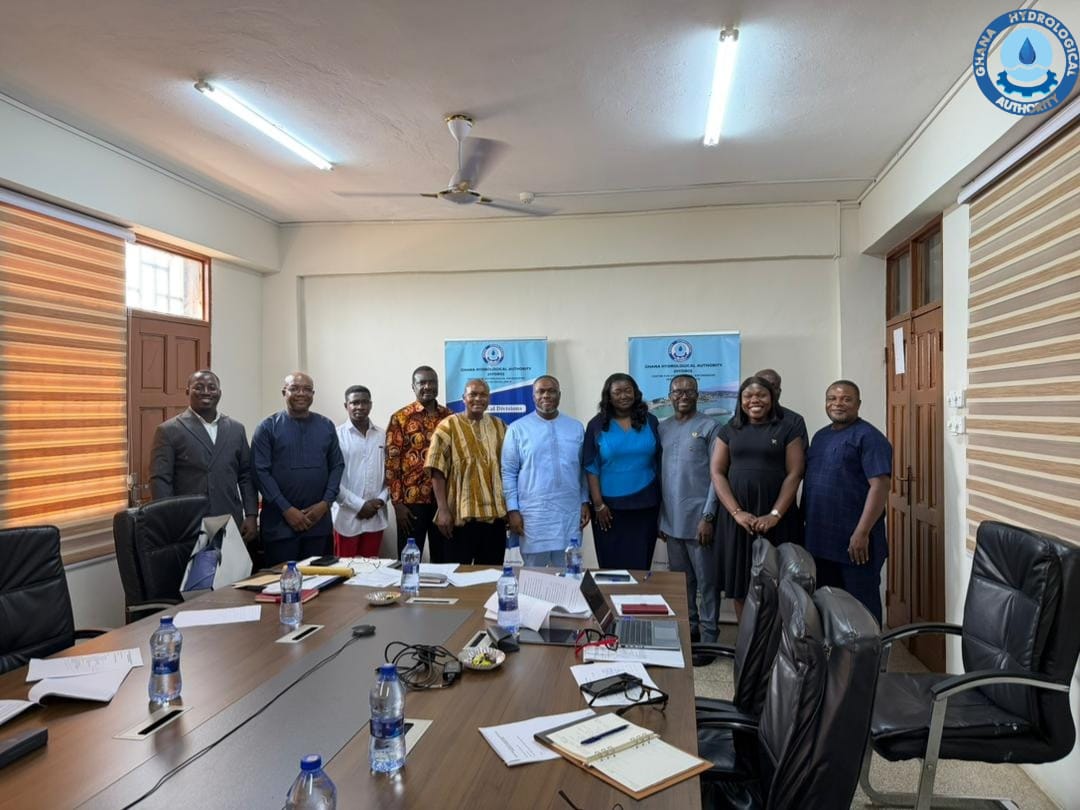
The Hon. Minister for Works, Housing and Water Resources paid an official visit to the Board and Management of the Ghana Hydrological Authority as part of his tour of agencies under the Ministry.
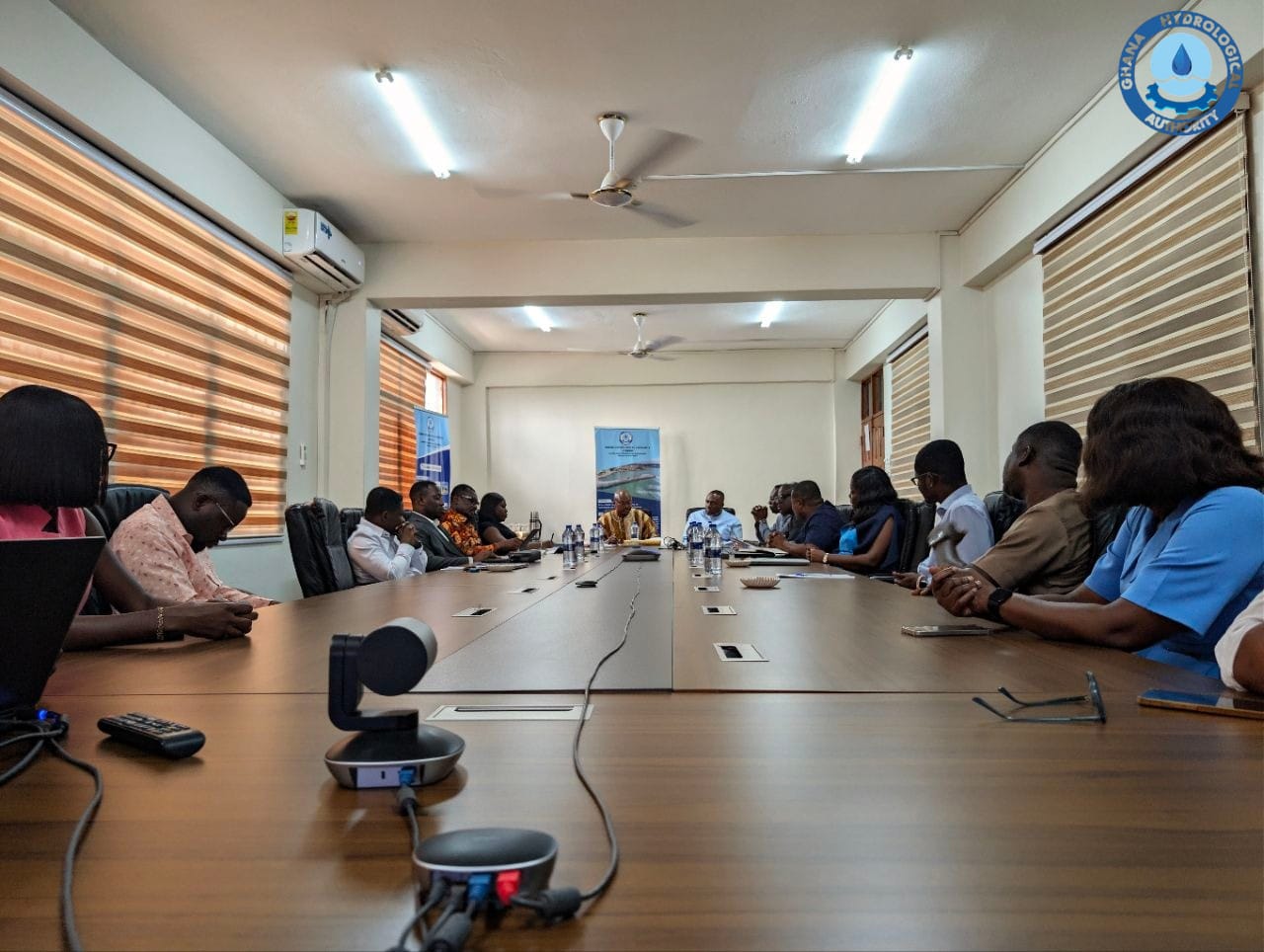
The engagement focused on strengthening Ghana’s flood management systems, enhancing early warning mechanisms, deepening public awareness, and building climate resilience in vulnerable communities.
The Board Chair, on behalf of the Board, welcomed the Minister and highlighted ongoing initiatives aligned with Government’s Reset Agenda, including improvements in environmental monitoring systems and efforts to reinforce institutional capacity for sustainable water resource management and effective flood control nationwide.
Photo Highlights
#GhanaHydrologicalAuthority #FloodManagement #ClimateResilience #WaterResources #ResetAgenda
Jan 10, 2026
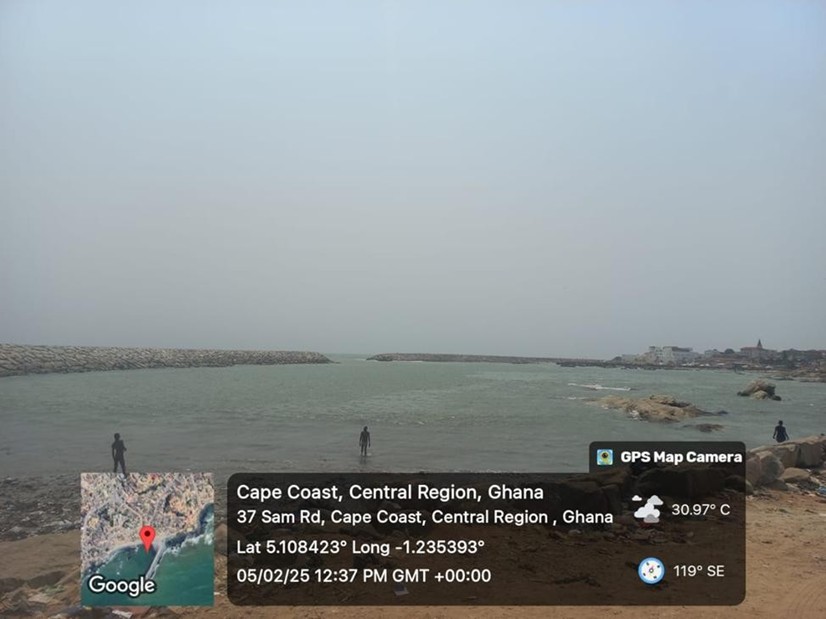
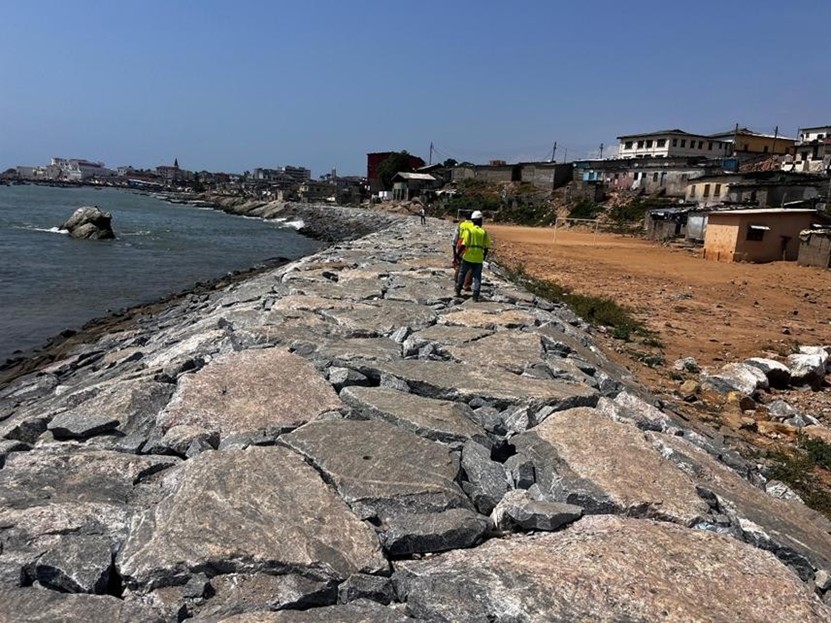
The Cape Coast Coastal Protection Project is a critical coastal resilience intervention aimed at mitigating shoreline erosion, protecting coastal infrastructure, and improving community safety along vulnerable sections of the Cape Coast shoreline. Phase I of the project, located at Amanful, focuses on the construction of coastal defense structures including a breakwater system, revetment works with laterite backfilling, and associated groyne structures.
This Annual Progress Report provides a comprehensive account of activities undertaken on the project within the reporting period. It covers work progress status as at the end of 2024 and December 2025, site supervision and inspections, stakeholder engagements, submission of technical documentation, and an overall assessment of the structural condition and completion status of Phase I works.
PROJECT OVERVIEW AND SCOPE OF WORK
The scope of works under Phase I includes the following major components:
• Construction of a breakwater system to attenuate wave energy;
• Construction of revetment structures with laterite backfilling;
• Construction of groyne systems;
3. WORK PROGRESS STATUS
3.1 Progress Status as at End of 2024
By the close of the 2024 calendar year, significant progress had been achieved on the project. The following milestones were recorded:
• The project was approximately 75% complete as at December 2024;
• A partial handover of completed works was conducted to the community by the Honourable
Minister in November 2024, marking a major milestone in project delivery;
• Major coastal structures executed included the breakwater system, revetment structures with laterite backfilling, and four (4) groyne systems;
• Interim Payment Certificate (IPC) No. 13 was raised based on measured and certified works;
• The Contractor submitted a request for retention payment amounting to GHS 15,156,377.60 following substantial completion of sections of the works, which was subsequently approved by the Ministry;
• Several site meetings were convened to discuss the way forward, address construction challenges, and resolve site-specific issues;
• Detailed reports covering site meetings, inspections, and measurements were prepared and duly submitted to the Ministry.
3.2 Progress Status as at December 2025
At the commencement of 2025, construction activities continued with a focus on completing the remaining breakwater and embankment works. The following progress was achieved by December 2025:
• The breakwater at the Castle Section was completed to a length of 500 m;
• The 360 m breakwater arm at the Amanful Section was fully completed;
• By the end of 2025, Interim Payment Certificates (IPCs) Nos. 14 and 15 had been raised;
• Overall project progress stood at approximately 77% completion;
• The Ministry requested supervision fees corresponding to 75% and 77% work progress, in line with certified construction milestones.
4. SITE VISITS, SUPERVISION AND STAKEHOLDER ENGAGEMENT
4.1 Site Visits and Supervision Activities
Regular site visits and inspections were undertaken throughout the reporting period to ensure compliance with approved designs, specifications, and quality standards. These activities included:
• Routine and ad-hoc site inspections by the supervisory team;
• Verification of construction works and materials used;
• Measurement of completed works for certification and payment purposes;
• Identification and documentation of defects, risks, and outstanding works.
All inspections were properly documented, and inspection reports were submitted accordingly.
4.2 Stakeholder Engagement
Stakeholder engagement formed an integral part of project implementation. Key engagements included:
• Coordination meetings involving the Ministry, supervising engineers, the Contractor, and other relevant stakeholders;
• Engagement with community representatives, particularly during the partial handover in November 2024;
• Continuous consultations aimed at addressing community access, safety, and environmental concerns.
5. SUBMISSION OF TECHNICAL DOCUMENTS
Throughout the reporting period, the following technical documents were prepared, reviewed, and submitted:
• Site meeting minutes and action plans;
• Site inspection and supervision reports;
• Measurement sheets and valuation documents;
• Interim Payment Certificates (IPCs);
• Progress reports and photographic records of works executed.
These submissions ensured proper documentation, accountability, and transparency in project execution.
6. MEASUREMENT AND NEAR COMPLETION STATUS
Phase I of the Cape Coast Coastal Protection Project at Amanful has successfully achieved its primary structural objectives. Detailed measurements and inspections confirmed the following:
• The left arm of the breakwater has been fully completed in accordance with approved engineering designs;
• The breakwater anchor length measures 150 m, while embankment capping extends over a length of 177 m;
• The completed breakwater is structurally stable and effectively dissipates incoming wave energy, thereby reducing direct wave attack on the shoreline.
Post-construction observations indicate improved nearshore conditions and enhanced protection of adjacent coastal infrastructure, demonstrating the effectiveness of the intervention.
7. SITE INSPECTION AND STRUCTURAL ASSESSMENT
Comprehensive inspections conducted in 2025 confirmed that Phase I works are structurally complete, with the core coastal defense elements performing as intended. However, the inspections also identified complementary works required to fully optimize the intervention:
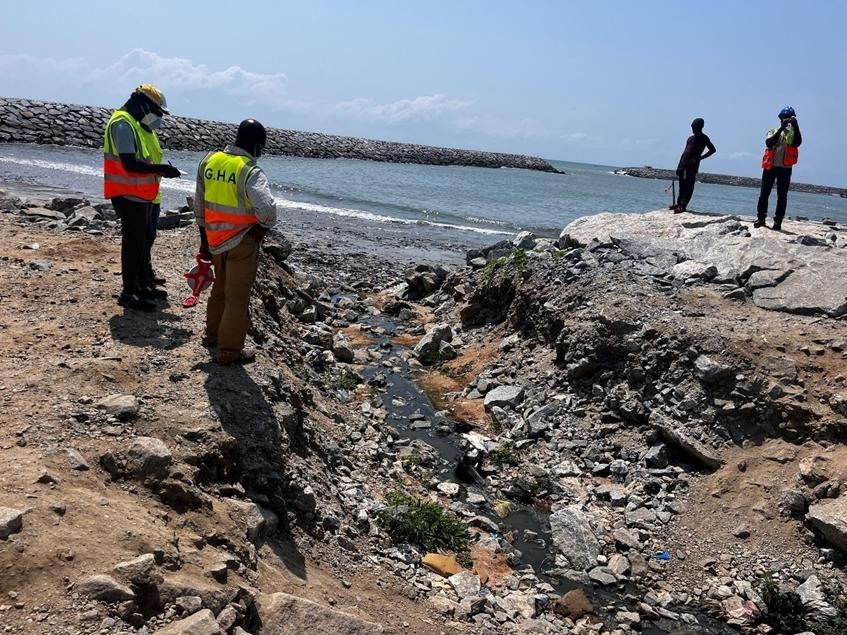
• Portions of the adjacent embankment were observed to be exposed and vulnerable to erosion;
• As a mitigation measure, capping of the right embankment was completed in November 2025, followed by site clean-up, making the area safe and accessible for community use;
• The need for drainage improvements to effectively manage surface runoff, particularly during periods of heavy rainfall, was identified;
• As at the end of the reporting period, the required drainage works remained outstanding and are yet to be addressed by the Contractor.
Completion of these ancillary works is essential to enhance durability and ensure seamless integration with the planned Phase II coastal protection works.
8. OVERALL SUMMARY OF WORK DONE
• Partial handover of completed works to the community successfully conducted in November 2024;
• Construction of major coastal defense structures including breakwaters, revetments, and groynes substantially completed;
• Breakwater construction completed at both Castle and Amanful sections;
• Project progress increased from 75% (end of 2024) to 77% (December 2025);
• IPCs 13, 14, and 15 raised and certified within the reporting period;
• Embankment capping and site clean-up works completed to improve safety and accessibility;
• Outstanding drainage works identified for completion to fully optimize project performance.
Overall, Phase I of the Cape Coast Coastal Protection Project at Amanful has achieved its core structural objectives and is performing effectively in stabilizing the shoreline. While the main coastal defense structures are complete, the timely execution of identified ancillary works, particularly drainage improvements, will consolidate project gains and ensure long-term resilience and sustainability of the intervention.
Photolog: