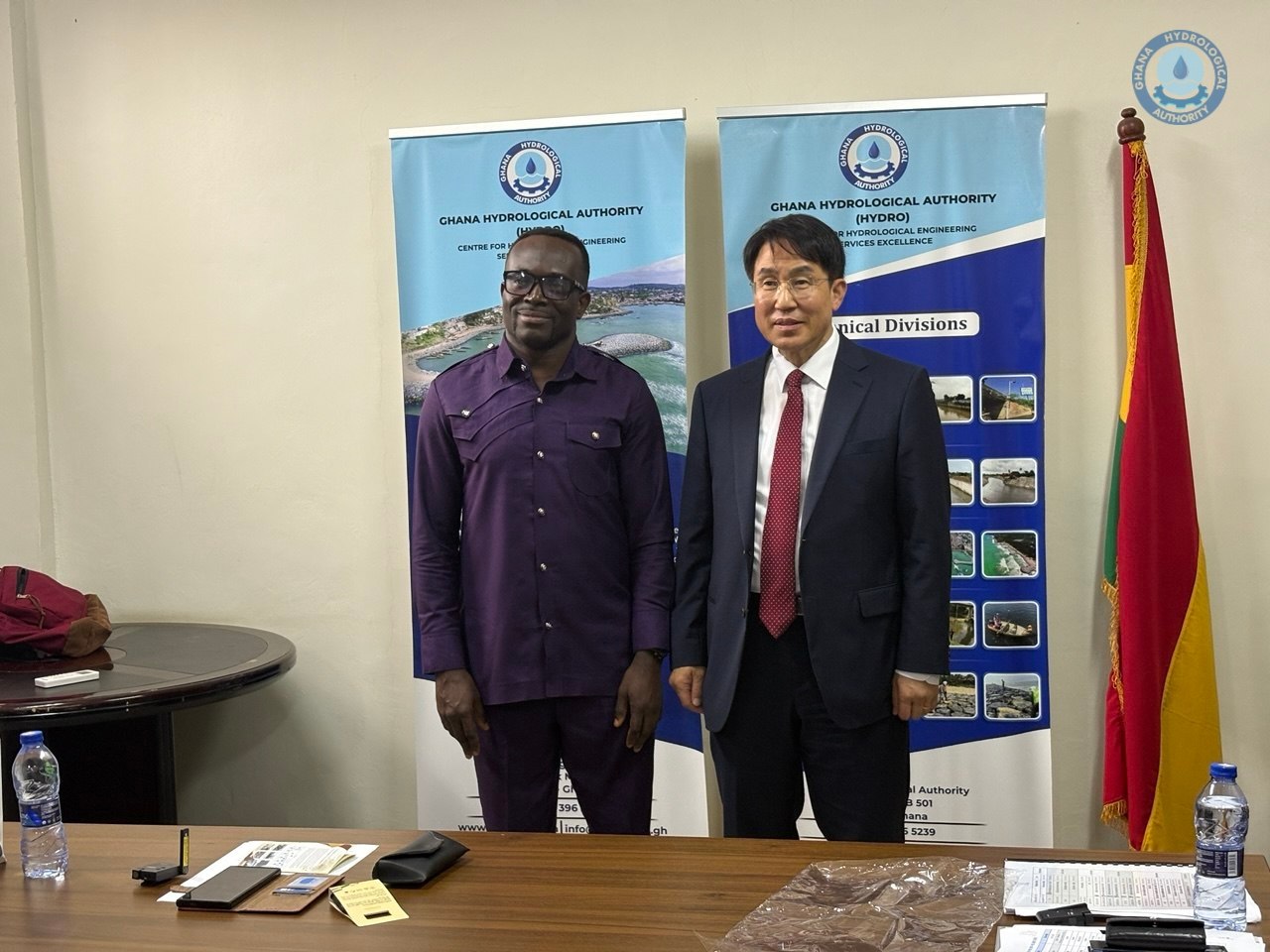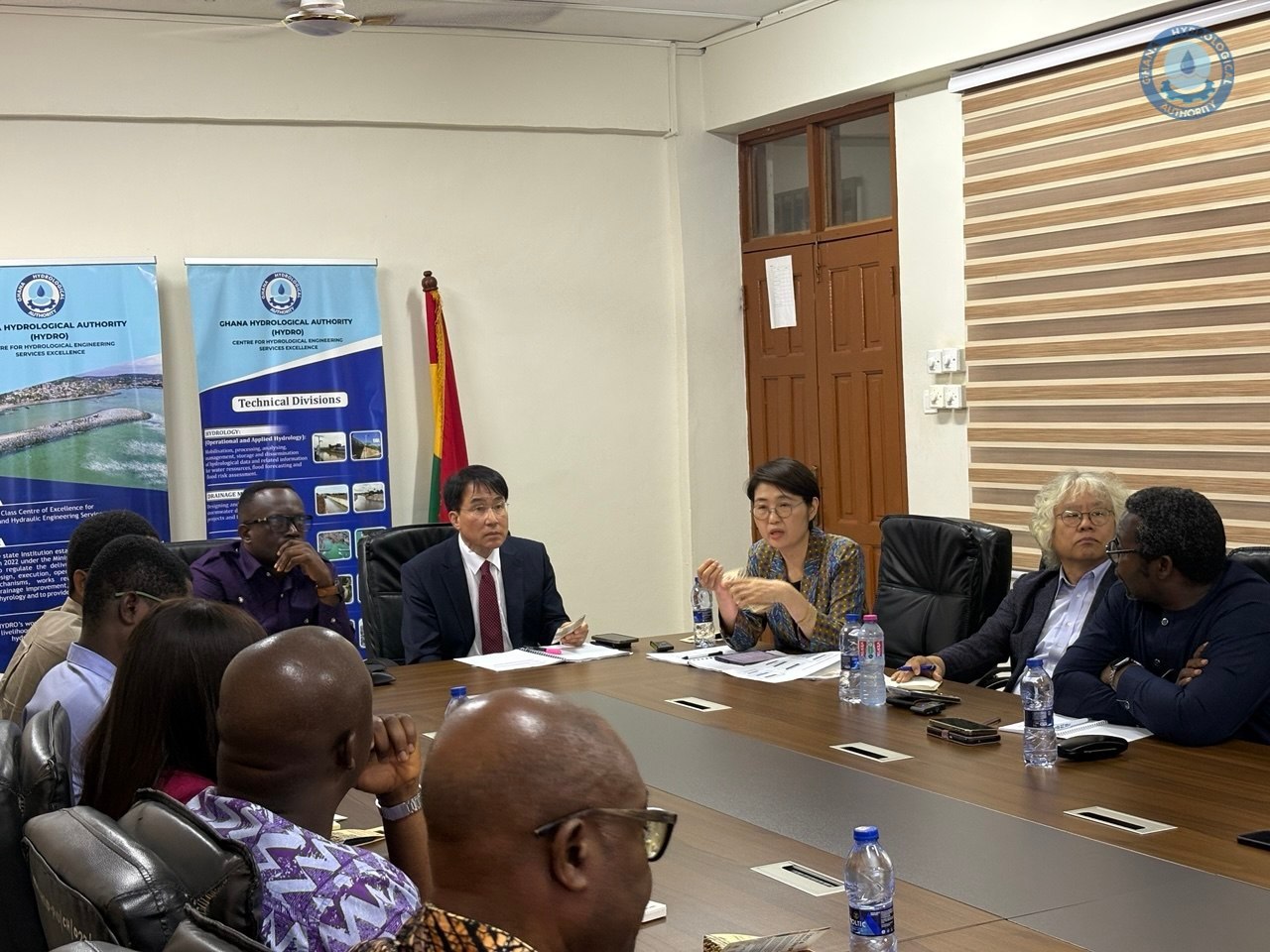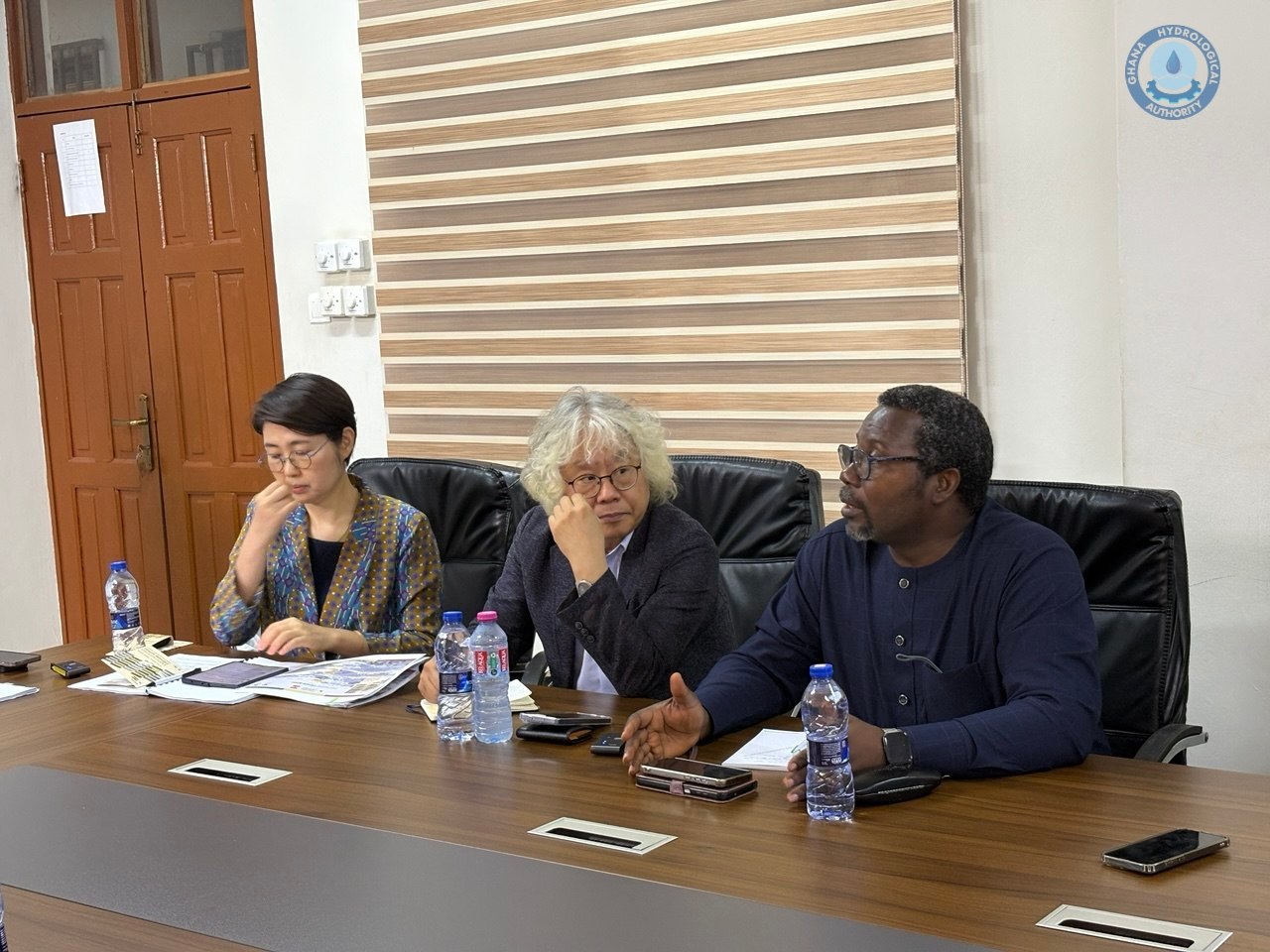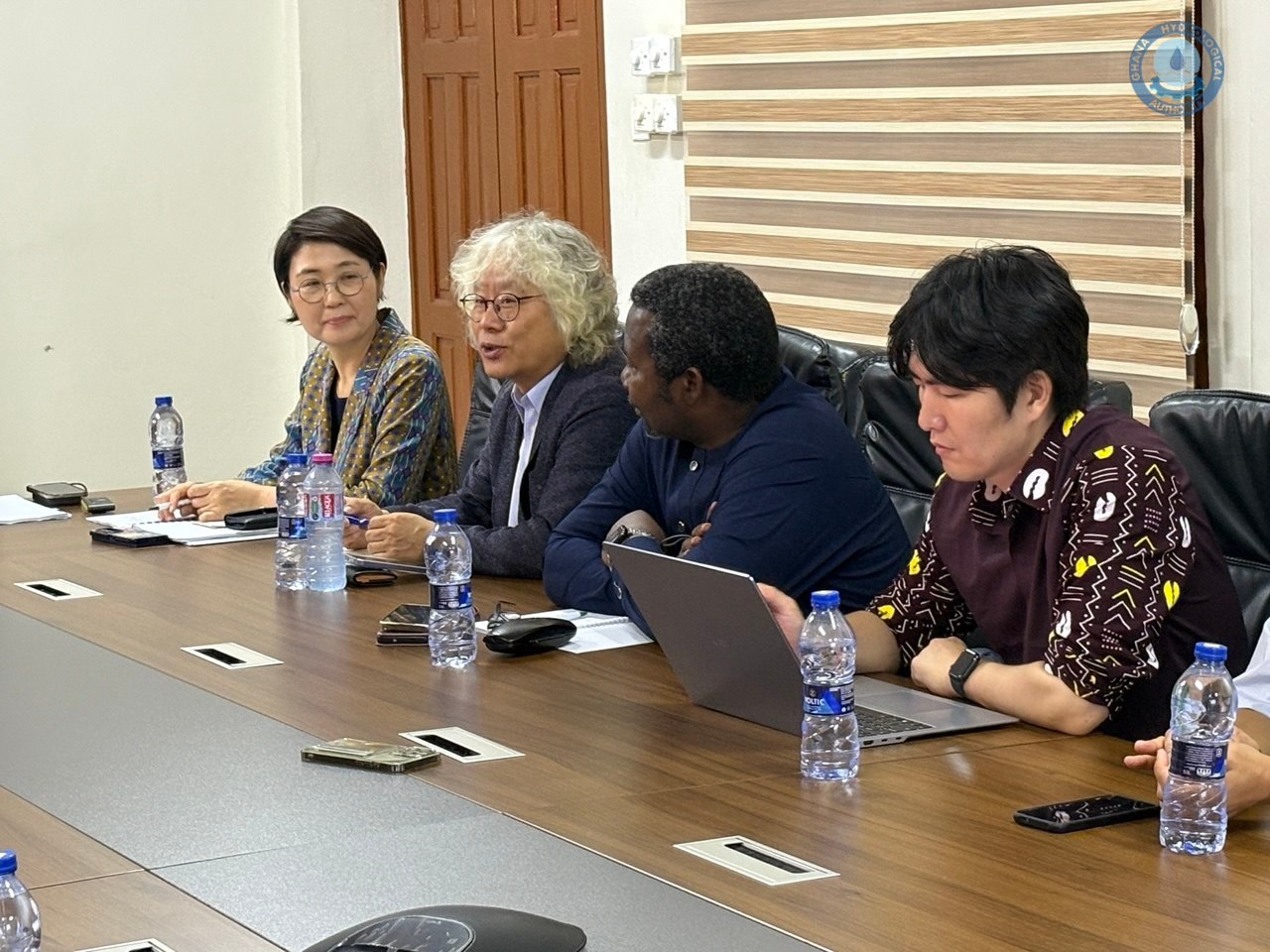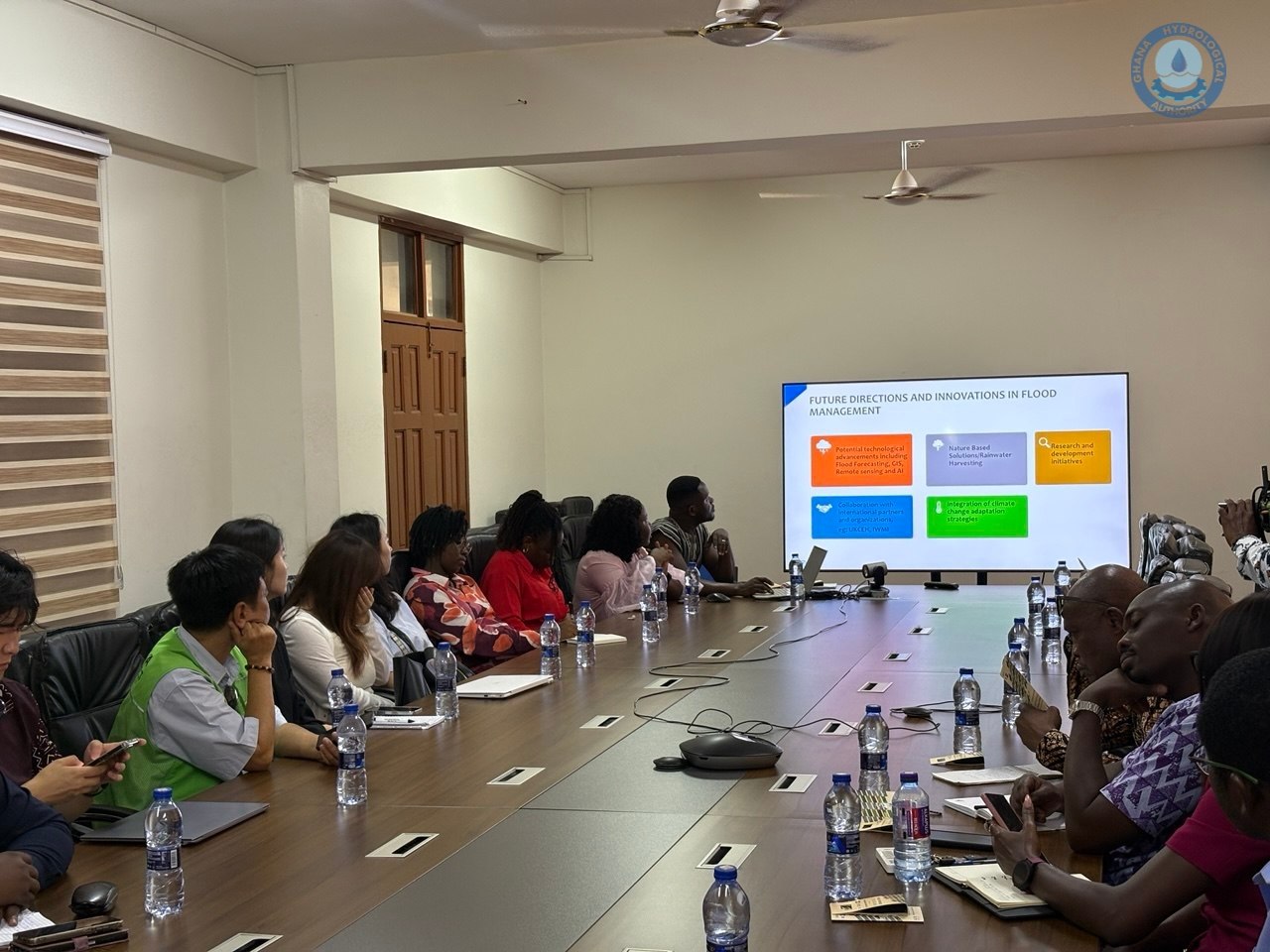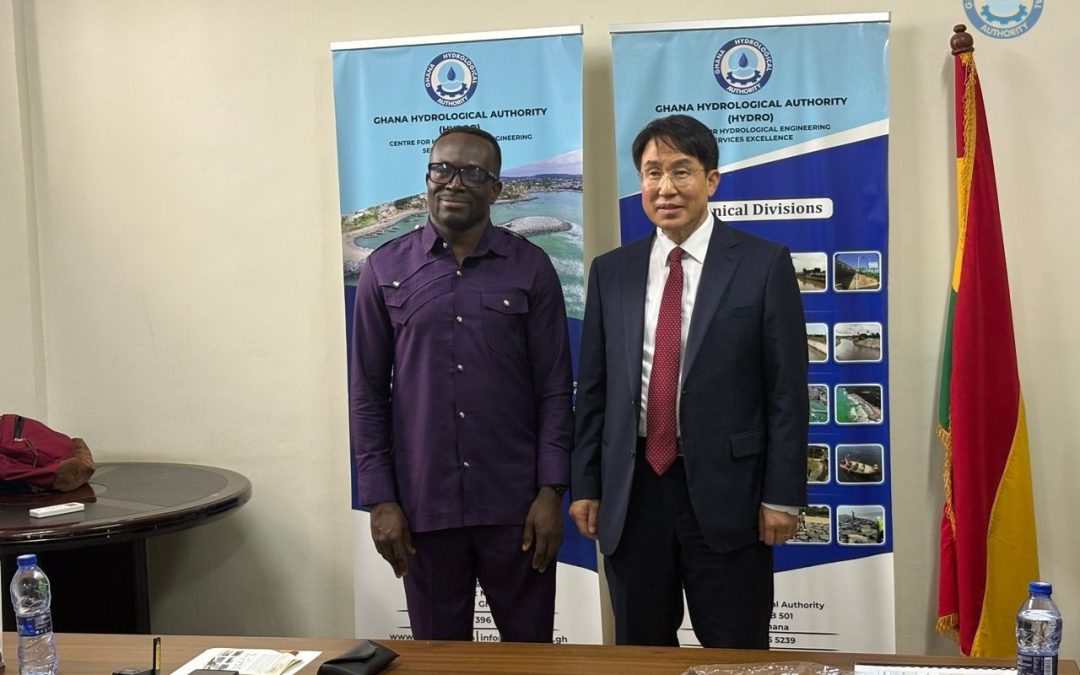
The Ghana Hydrological Authority (HYDRO) has hosted a delegation from the Ghana Commission for UNESCO and the Korean National Commission for UNESCO to discuss the Korea–Ghana Heritage Project, an initiative aimed at protecting Ghana’s UNESCO World Heritage Sites along the coast from the growing impacts of climate change.
The engagement, held on 27 August 2026, focused on the “Protecting Heritage, Building Climate Resilience” project, which seeks to strengthen the resilience of Ghana’s historic coastal forts and castles against climate-related threats, including coastal erosion and other environmental pressures.
Ghana’s forts and castles are important historical, educational and economic assets that contribute significantly to the country’s cultural identity and heritage. However, their location along the coastline exposes them to increasing climate-related risks, underscoring the need for sustainable and proactive measures to safeguard these sites for future generations.
As the state institution responsible for hydrological services and coastal defence, HYDRO is a significant stakeholder in efforts to understand and address the environmental risks facing these heritage assets. Discussions therefore explored how the Authority could contribute to the project through the provision of relevant scientific and hydrological data, technical expertise and research support to inform evidence-based decision-making.
The engagement also considered the potential role of HYDRO in supporting the implementation of appropriate climate adaptation and coastal protection measures aimed at reducing the vulnerability of heritage sites to climate-related impacts.
The meeting provided an opportunity for the participating institutions to explore areas of collaboration and strengthen coordination towards a common objective of protecting Ghana’s cultural heritage while building resilience to climate change.
HYDRO remains committed to supporting partnerships that promote the sustainable management of Ghana’s water resources and coastline, while contributing its technical expertise and scientific data to initiatives that protect nationally significant assets and communities from climate-related risks.